Technical SEO Audit
Technical SEO Audit - How to Make Your UK Service Website Rank Higher
A technical SEO audit is the practical checklist every UK service business needs to improve visibility and climb search rankings. This guide breaks down the technical essentials: from crawlability and indexability to speed and structured data, so you can turn underperforming pages into reliable lead generators. Many service owners miss easy wins because technical problems stop search engines and users getting to your best content. A focused audit uncovers those blockers and shows clear fixes that improve both rankings and conversions. We’ll define what a technical SEO audit looks like, walk through a step-by-step checklist, and cover site speed, schema, and internal linking in actionable detail.
If you want to go further, a full, hands-on guide is worth the read.
Demystifying Technical SEO: A Handbook for Audits
In The Technical SEO Handbook, complex technical issues are explained in plain terms so teams can audit and fix what matters most.
Technical SEO Handbook: Learn How to Audit and Fix Technical SEO Issues, 2023
What Is a Technical SEO Audit and Why Is It Crucial for UK Service Businesses?
A technical SEO audit is a structured review of the back-end and structural elements that let search engines find, read and index your site. For UK service businesses, it’s essential because small technical faults can silently reduce visibility, block leads and waste marketing effort. Fixing those faults means better organic reach, more qualified traffic and a stronger pipeline of enquiries.
How Does a Technical SEO Audit Improve Website Ranking and Lead Generation?
By spotting and resolving technical barriers, an audit helps search engines understand your site and rewards you with better rankings. Simple fixes, like repairing broken links or improving page speed, lower friction for users and encourage longer visits. The combined effect is more visibility, higher engagement and more opportunities to convert visitors into leads.
Which Common Technical Issues Affect Crawlability and Indexability?
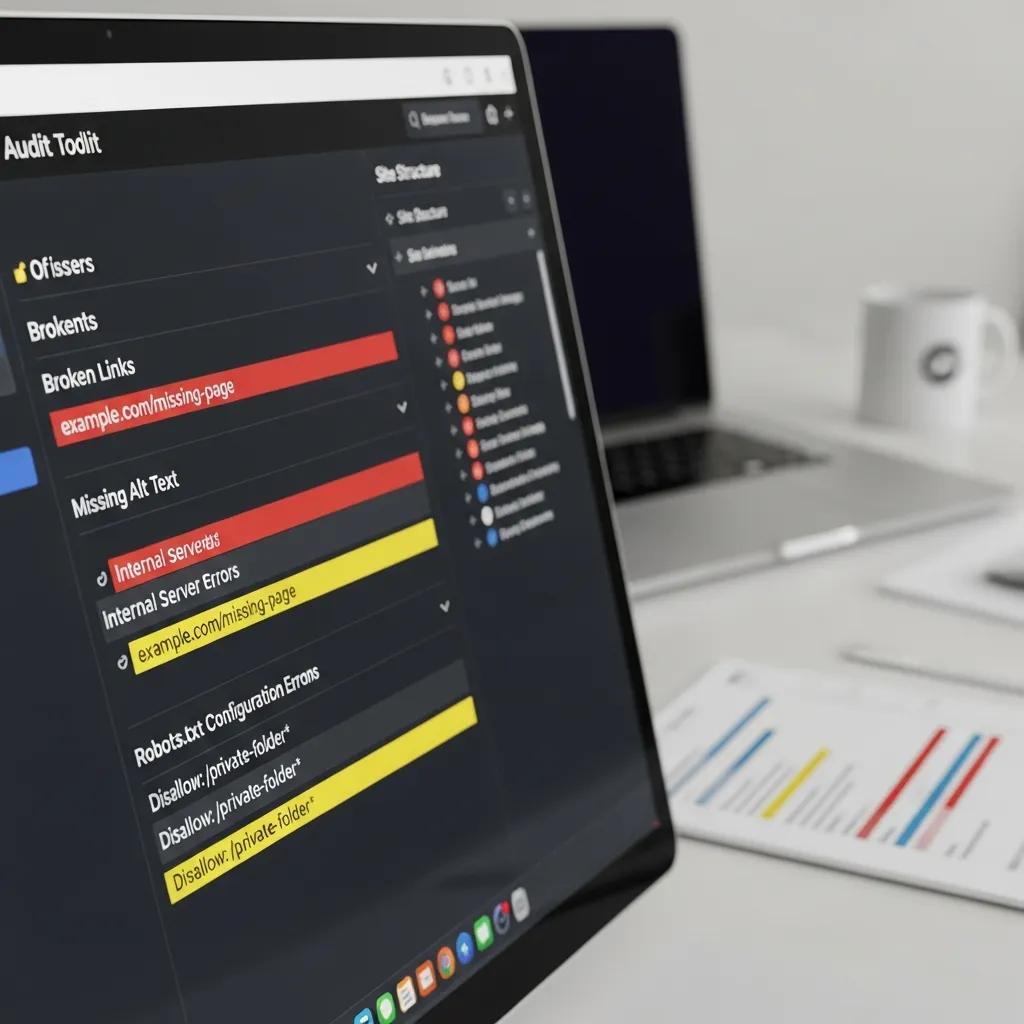
Broken Links: Links to removed or moved pages frustrate users and waste crawler budget.
Robots.txt Issues: Incorrect rules can unintentionally block pages from being crawled.
XML Sitemap Errors: An out-of-date or malformed sitemap prevents search engines from finding important pages.
Clearing these blockers ensures search engines can crawl and index your site effectively - it’s the first step to improved organic performance.
At its core, SEO depends on reliable crawling and indexing: if search engines can’t see your pages, they can’t rank them.
Crawling & Indexing: Foundation of SEO Performance
This section explains crawling and indexing - the technical foundation of SEO. Search engine bots crawl pages to gather content, then process and store that content in an index. If pages are blocked or unreachable, they won’t appear in search results. Understanding how crawlers work and preventing blockages is essential for consistent organic visibility.
Crawling and Indexing, 2023
How to Perform a Comprehensive Technical SEO Audit: Step-by-Step Checklist
A thorough technical audit follows a clear set of checks that together reveal where a site is losing discoverability or performance.
What Tools Are Essential for Conducting a Technical SEO Audit?
Google Search Console: Monitor indexing, search performance and crawling errors straight from Google.
Screaming Frog SEO Spider: Crawl your site to find broken links, duplicate content and structural issues.
Ahrefs: Analyse backlinks, organic keywords and technical gaps you can target.
Used together, these tools give the data you need to prioritise fixes and measure impact.
How to Identify and Fix Crawlability and Indexability Issues?
Use Google Search Console: Review crawl reports and address reported errors or excluded pages.
Review Robots.txt: Confirm you’re not accidentally blocking key pages or resources.
Update XML Sitemap: Ensure the sitemap lists current URLs and submit it to search engines.
Work through these checks to make sure search engines can access and index your most important pages.
How to Optimize Website Speed and Core Web Vitals for Better SEO Performance

Page speed and Core Web Vitals directly affect user experience and search rankings; improving them reduces bounce rates and keeps users engaged.
What Are Core Web Vitals and How Do They Impact User Experience?
Largest Contentful Paint (LCP): How quickly the main content loads.
First Input Delay (FID): How responsive the page is to the user’s first interaction.
Cumulative Layout Shift (CLS): How stable the layout is as elements load.
Improving these metrics makes pages feel faster and more reliable, which helps both users and search engines.
Which Techniques Improve Site Speed for UK Service Websites?
Image Optimization: Compress and serve appropriately sized images to cut load time without losing clarity.
Minifying CSS and JavaScript: Remove unused code and minify files so pages render faster.
Using Content Delivery Networks (CDNs): Serve assets from locations closer to your users to reduce latency.
Implement these techniques to lower load times and improve Core Web Vitals scores across your site.
How to Implement Structured Data and Schema Markup to Enhance Search Visibility
Structured data tells search engines what your content means, which can unlock richer search listings and higher click-through rates.
What Types of Schema Markup Benefit UK Service Businesses?
Service Schema: Clearly communicates the services you provide.
Local Business Schema: Boosts relevance in local searches and maps results.
FAQ Schema: Surfaces answers directly in search results to improve clicks and reduce friction.
How Does Structured Data Improve Click-Through Rates and Rankings?
Adding structured data gives search engines extra context, which can produce rich snippets (like FAQs or review stars) that stand out in results. Those enhanced listings typically attract more clicks, and higher click-through rates can indirectly support better rankings over time.
How to Build an Effective Internal Linking Structure to Support Technical SEO
Internal links distribute authority, help users navigate, and guide crawlers to your most valuable pages - all crucial for technical SEO.
Why Is Internal Linking Critical for Crawl Budget Optimization?
Good internal linking ensures crawlers find and prioritise important pages, making better use of your crawl budget. When your key pages are well-linked, search engines index them reliably and more frequently.
How to Identify and Fix Orphan Pages and Broken Links?
Conduct a Site Audit: Use tools like Screaming Frog to locate orphan pages that aren’t linked from anywhere else.
Fix Broken Links: Regularly identify and repair broken links to preserve user experience and link equity.
Create Internal Links: Add contextual links from related content to ensure every important page is reachable.
Tidy internal linking improves discovery, user journeys and overall SEO resilience.
Why Regular Technical SEO Audits Are Essential for Sustained Website Ranking
Technical issues reappear as sites grow and change. Regular audits catch regressions early so rankings and traffic stay steady.
How Often Should UK Service Businesses Conduct Technical SEO Audits?
We recommend a full technical audit at least twice a year, and sooner after major site changes or sudden ranking shifts. More frequent, targeted checks are useful for high-traffic pages or active sites.
What Are the Benefits of Partnering with Experts Like Zava Build for Ongoing Audits?
Expertise and Experience: Specialists spot subtle issues and prioritise fixes that move the needle.
Access to Advanced Tools: Agencies use enterprise tools and processes for deeper analysis.
Long-Term Partnership Benefits: Continuous support keeps your site optimised as you scale.
Working with experienced partners helps you stay competitive and focused on growth while technical maintenance runs smoothly.

About the Author
Christopher Bell, Co-founder & CEO, Zava Build
Middlesbrough-based growth specialist helping UK service businesses generate consistent, qualified leads through integrated digital systems.
With over 5 years of experience, Christopher combines high-conversion web design, intent-driven SEO, and expert Google Business Profile optimisation to build scalable foundations that deliver real enquiries, not just traffic.